Best Fencing Installers: Website Prep and Ground Issues
The fencing you wind up with is just half about the fencing components. The other half is what took place prior to the very first blog post opening ever before got dug: the dirt, the water drainage, the incline, the unseen energies, and the means water crosses the residential or commercial property during a typical week, not after a difficult rain. If you've ever enjoyed a brand-new fence lean a little after the very first wintertime, you currently understand the real story. The materials matter, however ground problems determine for how long https://www.biztobiz.org/articles/best-colorbond-fence-installers-in-melbourne-2026 the fence remains straight.
That's why the "best fencing installers" aren't just good at driving blog posts or trimming panels. They're efficient preparing the site, checking out the ground, and preparing around the problems you can not change conveniently when setup begins. When individuals search for the "best fencing contractors" or the "best fencing company," they're usually searching for dependability, clear interaction, and craftsmanship. Website preparation is where those qualities turn up most clearly, because it's the stage where sloppy work prices you later.
Ground conditions: the part every person underestimates
Soil is not one point. Even within a single yard, you can have soft fill near your home, compacted base under a driveway, and clay that holds water in the back edge. There's also seasonal movement to consider. Lots of fencing failings are not remarkable breaks. They are sluggish shifts, swelling, freeze-thaw cycles, and the cumulative impact of water around the post.
When installers talk about "soil make-up," they're usually explaining a practical set of problems: just how well the dirt holds a post, how swiftly it drains pipes, just how much it expands or diminishes, and exactly how steady the excavation remains after digging. A message buried in loosened, damp soil behaves like it's being in a sponge. An article in completely dry, rough dirt behaves in a different way, and the opening stays much more steady throughout installation.
A fast example from a task I observed: the property owner desired a privacy fence along a back whole lot line that sloped gently towards a reduced place. The very first 2 blog posts went in cleanly. After a rainfall, the low area stayed damp for days. The following few messages were embeded in soil that looked company when we were gauging, however transformed sloppy throughout and right after excavation. The difference was visible at the message base. It wasn't that the staff "did it incorrect," it was that the ground conditions transformed mid-run, and the installation approach needed to adjust keeping that reality.
The installers who do this well search for signs early, not after the fencing begins moving.
Drainage and water flow: the actual foundation of a straight fence
A fence doesn't need to be revealed to a flood to fall short. It simply requires water to relax the message base typically enough. Water flow tends to follow the most convenient path, which can be subtly different from what looks noticeable on a bright day. Lawn grading, downspouts, buried down drains pipes, and even exactly how snow thaws can redirect water toward fence lines.
If the location is understood to accumulate water, an expert team should deal with the fence like a system that need to make it through damp conditions. That can mean much deeper post embedment, changed hole prep work, cautious backfill selection, or adjustments to just how the fence is lined up where water normally pools.
You can typically identify water drainage issues without a dirt laboratory. Try to find duplicated soft places after rainfall. See where drainage goes throughout a storm. Notice whether grass near the fence line remains darker and longer than the remainder of the lawn. If the property owner has a history of soaked ground or standing water, that is a major hint, not an inconvenience.
An excellent fencing installer will ask questions that really feel virtually dull in their specificity: whether sprinklers run anywhere near the suggested line, whether there is a drain tile nearby, where downspouts release, and whether the fencing will go across any kind of swales. That questioning is not sales stress. It's preparation.
Slope and placement: posts on a quality need more than "leveling"
A fence can be mounted on an incline, yet incline presents added stress and anxieties. If the ground drops, the "force line" adjustments. Posts at the reduced end usually bring various lots than messages at the luxury, especially when wind strikes the fence at an angle or when the fencing boards extend farther from the post.
There are two common means fencings take care of slopes: stepping or making use of a raked bottom rail technique, depending on the fence layout. Regardless, the blog post spacing and the straightness of the fencing run matter, since you are not simply setting articles. You are regulating just how the fence will experience stress and deflection as the ground moves.
When I've seen fences look "nearly fine" however not fairly appropriate, it's usually due to the fact that the posts were set with great intents, however the grade and drainage weren't totally accounted for. The fencing line might look level in one place, then dips or bows somewhat. That can come from multiple elements, consisting of soil gentleness and uneven water saturation around message holes.
Best fencing installers manage this by preparing the run, marking areas precisely, and using approaches that preserve constant spacing and positioning as the grade modifications. They likewise do not conceal behind a "we'll adjust it on the fly" mindset. Area adjustments take place, yet they must be based upon what the ground is really doing, not on guessing.
Post holes: size, deepness, and the compromises that matter
The opening is not simply a hole. It figures out how the message anchors, just how the backfill compacts, and just how much disruption the crew develops in bordering dirt. Too superficial, and the blog post can loosen with seasonal activity. Also vast, and you may have much more void room than the installer can effectively stabilize unless the backfill process and compaction are managed carefully. Way too much disturbance can also create a softer "ring" around the post that ends up being a water trap.
Depth decisions are commonly influenced by just how frost, wetness, and soil security engage in your location. Without pretending to understand regional frost midsts, it's fair to claim that lots of areas require deeper embedment in colder climates since freeze-thaw can lift posts. In warmer climates, depth still matters, due to the fact that saturated dirts can shed bearing strength.
An expert team will discuss just how they're choosing embedment depth rather than treating it like a solitary global number. They'll take a look at dirt condition throughout excavation. If they strike organic material, loose fill, or a layer that clearly won't small well, they adjust. That adjustment can mean going deeper into an extra stable layer, transforming the hole preparation, or changing the backfill approach.
There is also the useful compromise: bigger holes and deeper embedment take more labor and more products. Some house owners desire the fastest set up possible. In reality, the schedule stress can become a faster way if you're not mindful. The best fencing contractors push back on faster ways when the dirt requires more work, because the goal is longevity, not simply finishing the work quickly.
Backfill and compaction: what occurs after the article is in
A great deal of homeowners concentrate on "concrete vs no concrete" as if it's a single decision with a clear winner. The fact is much more nuanced. Backfill option, dampness control throughout compaction, and how the installer handles voids around the post can matter as high as the embedment material.
In some installments, concrete can produce a rigid support that assists resist motion, however improper concrete placement can also protect against water drainage in ways that aggravate long-lasting problems. In other instances, effectively picked and compressed backfill might be award winning fence company much better at permitting controlled drain and minimizing stress build-up.
What matters is the installer's judgment with your specific soil. Clay-heavy dirts behave in a different way than sandy or silty dirts. Loosened fill acts differently than compressed subsoil. If the installer uses backfill that doesn't suit the site, the message could look stable right after installment but loosen up as dampness problems change.
During a website visit, ask questions that get at backfill and compaction practices. The very best fence companies and crews can typically define their method in plain language: just how they keep openings tidy, exactly how they manage water in the excavation if it appears, what material they're utilizing, and just how they make sure posts are plumb while the base stabilizes.
Utilities, hardscape, and surprise surprises
Ground conditions aren't only dirt. Hidden utilities, irrigation lines, and the limit in between "backyard dirt" and "installed ground" can complicate post setup. If the prepared fencing line crosses near a buried wire, a water line, or a sprinkler feed, the installer may require to change post positioning or utilize a different method to prevent damage.
Even without utility lines, there can be concealed hard layers. Some buildings have compressed fill under topsoil, while others have rubble, busted concrete, or building and construction particles buried from earlier grading. When you hit those products while digging, the hole can become unstable or the message might not seat in a constant way.
This is where "best fencing installers" gain their track record. They plan for setbacks, and they deal with obstacles as a normal part of the work. They also interact early when problems need a modified approach, instead of rushing via and wishing it holds.
The border line: where fence positioning fulfills real-world risk
Fence placement is often reviewed in regards to building lines and neighborhood guidelines, but site prep ties into limit job too. If the fencing line is a little off due to imprecise staking or an uncertain boundary pen, the article holes can land in various soil than planned. Also a tiny countered can move messages from secure ground to a softer strip near a driveway side or to a location that drains towards the neighbor's side.
A cautious installer will situate corner pens, verify the line, and record the strategy prior to excavating. In method, that indicates more time spent at the start, less complication later on, and fewer "we'll fix it when we set the blog posts" moments.
For home owners, it can help to be clear about your expectations in advance. Are you aiming for a fencing centered on the border line, completely on one side, or straightened to a certain existing structure? Different positionings can change exactly how drainage acts about the fence.
Common trouble places along fencing lines
Not every website is a disaster waiting to happen. Still, there are repeating patterns that bring about troubles. These are the locations where experienced installers reduce and pay attention.
Near downspouts, the ground can be engineered to shed water far from your house, and that crafted drainage can assemble at the fencing line. Along driveway sides, compacted base can change where topsoil gives way to gravel. In reduced corners, water can stick around enough time to weaken dirt bearing toughness. Around older trees, root mass can develop dental caries or loosened up dirt, and the fencing line may need post positioning adjustments to prevent unpredictable zones.
One little but informing indicator is post opening habits. If a hole keeps sloughing know the sides, that indicates a dirt framework issue at that deepness. If a hole floods promptly, that indicates ongoing water drainage. The installer that enjoys those signals can change embedment and backfill options prior to the fence is secured place.
A practical pre-installation stroll: what to look for
When you're attempting to identify the "best fencing contractors," do not just court by cost or how the crew talks about materials. Take note of exactly how they treat your ground.
Ask to see exactly how they plan the layout, just how they stake, just how they verify the fence line, and what their process is when they hit various dirt conditions. If they can't clearly explain what occurs if they come across damp dirt, fill, or unstable layers, that's an indication. If they chat confidently regarding adjustment methods and how they'll manage variable ground, that's an excellent sign.
Also notification whether they're prompt and watchful. A careless website walk often develops into careless staking. And careless staking usually brings about blog posts touchdown in "the incorrect part of the lawn," which can indicate an entire various soil regime than expected.
Here is a short list you can use during a site visit to assist your concerns without turning the meeting into an interview.
- How will certainly they stake the line and validate spacing before digging?
- What do they intend to do if article holes show wet or unpredictable soil?
- What backfill material will they utilize, and exactly how will they compact it?
- How will certainly they take care of positioning on incline, tipping, or raked runs?
- Do they have a process for staying clear of energies and lessening damages near watering or hardscape?
If the solutions are thoughtful and certain, you're most likely considering a crew that actually installs fencings for a living, not just prices quote them.
Installation approach: where quality appears in the details
High-quality installation is seldom significant. It shows up in tiny options, duplicated consistently.
Posts need to enter plumb and stay plumb while the base is stabilized. That indicates the crew is not rushing the "collection and walk away" stage. It also implies they understand just how dirt dampness affects compaction, and they take care of the backfill placement methodically.
Gaps and board placement issue too. Poor alignment can exaggerate the loads on the articles due to the fact that panels may not sit equally, developing uneven tension throughout the run. Also if the posts are set properly, uneven panel installing can contribute to sagging or turning over time.
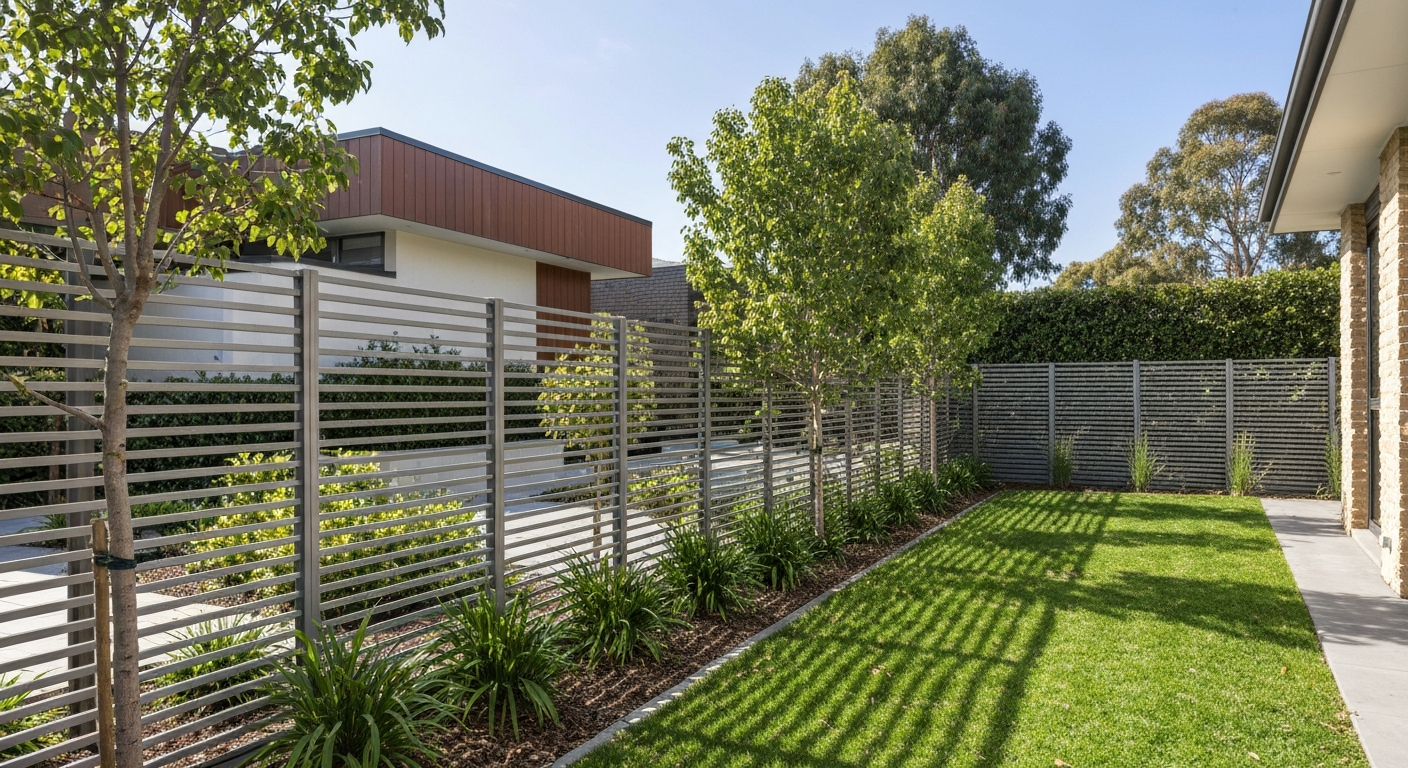
There's additionally the concern of last grading. After setup, sloppy staffs leave holes and disrupted dirt that later on settle, creating low spots or channels that funnel water towards the message line. A cautious staff restores ground in such a way that minimizes water build-up near fencing bases. That might mean shaping soil, re-seeding, or utilizing ideal surface products near hardscape.
The home owner does not always see the difference right away. You commonly feel it later on, when rainfall comes and the fence line remains drier than bordering areas.
When ground is testing: soil failure settings and the remedies
Some lawns are simple, others call for extra planning. Below are the most typical "difficult ground" patterns and the sort of remedies experienced installers think about, without acting every website needs the very same solution.
If the dirt is mainly sandy, it might drain pipes promptly yet not hold shape well when dug deep into. Articles might need cautious embedment right into an extra stable layer and backfill that condenses dependably. If the dirt is clay, it may hold water and broaden or contract with moisture. In those websites, managing water near the article base and picking an appropriate embedment strategy comes to be vital. If the ground is filled, you can have uncertain layers and varying compaction high quality. That's where blog post placement accuracy and backup preparation matter.
Then there's freeze-thaw. In cooler environments, water in the soil can expand during freezing and lift parts of the post assembly. The solution is generally concerning embedment deepness, water drainage management, and making certain the bordering dirt is supported in a way that resists movement.
The bottom line is that installers must talk about the "why" behind their selections. If a team declares a solitary technique fits all dirt kinds, you must be cynical. Dirt is variable by definition.
Materials satisfy ground: fence kind alters the stress and anxiety on posts
Not all fencings behave the same in the ground. A heavy board personal privacy fencing creates various lots than lighter picket styles. Chain web link acts in a different way than panelized wood. If you're mounting on challenging ground, the fence layout can impact how much bracing is required, the amount of posts are used, and exactly how the line acts under wind pressure.
This is where you ought to link the ground discussion to the fence style. If your backyard has damp low spots, a fencing layout that resists wind contortion might decrease flexing stress at the blog post areas. If the ground is soft, tighter message spacing can disperse loads, yet it additionally suggests even more openings in variable dirt, which increases the value of regular installation practices.
The best fencing company plans the entire system, not simply the posts.
A quick story regarding "we'll see just how it goes"
A homeowner when informed me their previous installer "guaranteed it would certainly work out fine." The fencing looked good for a while, after that started leaning near a location that stayed wet after rain. The installer had actually utilized a backfill method that did not match that dirt behavior. The messages weren't catastrophically failing, they were slowly shedding security, likely due to the fact that water and soil structure were conspiring at the base.
The ultimate fix was not a quick cosmetic repair. It included removing or adjusting the influenced messages and re-establishing steady bases with a strategy much better suited to that area. What surprised the homeowner was how local the issue was. The rest of the fencing continued to be right, because the soil in those areas was much more steady. The ground levelled in only one area.
That's the genuine value of a knowledgeable installer. They don't deal with every foot of your fence run as identical.
How to examine quotes without getting stuck on price
It's alluring to contrast proposals line-by-line and think a more affordable choice is substandard or a more pricey alternative is immediately much better. But site preparation can alter the range. One staff could consist of deeper message openings, added preparation for drainage, and a lot more careful backfill techniques. Another may quote a streamlined strategy that fits a "ideal instance" dirt scenario.
So, how do you review quotes rather? Look for what's consisted of in the monotonous parts of the job: design and staking, just how they manage slope, what happens if soil is wet, whether they change embedment technique, and exactly how they restore disrupted ground after installment. Those are the aspects that protect you from the costly surprises.
Also ask how they manage hold-ups caused by site problems. A team that is experienced with variable ground will certainly make up it in their procedure and communication. A crew that seems unpleasant reviewing contingencies might reduce edges when something real happens.
If you're searching for the very best fencing installers, focus on the concerns that expose site knowledge instead of the solutions that seem certain but vague.
Two inquiries that subject genuine competence
If you desire a fast way to separate standard from outstanding, ask these 2 questions throughout your preparation phone call or estimate visit:
1) "What should we anticipate if the dirt at blog post depth is irregular, like soft fill or damp layers?"
2) "How will you maintain water from merging around the post bases after setup, specifically where the backyard inclines or overflow accumulates?"The actions will certainly inform you how the installer believes. Skills turns up as practical, site-specific thinking. Not every feedback needs to be long, but it should be grounded in exactly how they in fact install.
What home owners can do to assist (without micromanaging)
You do not have to be the crew. Still, your actions prior to installation can minimize rubbing and aid the installer do far better work.
Clear the fencing line area so the staff can access it securely. If you understand where lawn sprinklers run, direct them out. If you have downspouts that release near the line, discuss it and, ideally, show where runoff pursues rain. If there are known soft places, do not minimize them. A softened spot in clay can look harmless on a dry day and end up being a major concern as soon as holes are dug.
If you're preparing landscape design adjustments around the fence line, coordinate those decisions early. Grading modifications later on can alter water drainage patterns, shifting water right where you simply tried to maintain the blog post bases.
And if you have animals, children, or tight access paths, inform the installer. Congested accessibility affects how mindful the team can be during excavation and cleanup.
Good fencing company interaction is a two-way road. The more you share, the much better the installment strategy becomes.
Final thoughts on site prep and ground conditions
A fencing installment is a connection in between framework and planet. The structure is visible and very easy to judge. The planet is invisible till it isn't. The very best fencing installers develop for the reality that soil adjustments with moisture, slope, and time. They deal with website preparation as component of the craft, not an optional hold-up in between the estimate and the last panel.
If you want a fencing that remains straight and looks right via periods, don't simply ask what fencing you're obtaining. Ask how they're dealing with the ground. The solutions will usually lead you straight to the very best fencing contractors and the best fencing company, since the strongest groups reveal their top quality before they ever before set the initial post.