API quota exceeded. You can make 500 requests per day.
A fantastic fencing install beginnings long before the very first blog post hole gets dug. A lot of property owners focus on style, elevation, and material, and that makes good sense, because those are the visible decisions. But the genuine difference between a fence that festinates for several years and one that develops into a reoccuring headache is frequently what happens in the lawn before the staff shows up.
If you want the best result from a best fencing company, you must deal with prep work like component of the project itself. Think about it as getting rid of the path for the best fencing contractors to measure accurately, dig efficiently, and install in such a way that values drain, utilities, and the real ground problems you live on.
I have seen installments go smoothly and I have enjoyed them delay. The stall is hardly ever because the staff does not have ability. It is typically due to the fact that something in the lawn was neglected: a concealed lawn sprinkler line, a muddy gain access to route, a landscaping choice made on the fly, or uncertain property boundaries. You can not regulate every little thing, but you can control a lot.
Below is just how to obtain your lawn ready for setup, with the type of practical information that make the job easier for best fencing installers and better for you.
Start with the "truth check" preparation, not simply the fence plan
Before you move a single potted plant, take a few mins to verify what you in fact want the fencing to do and what the site will certainly allow.
A fencing can be gorgeous, yet it is likewise a structure that has to tolerate genuine climate. Wind lots, freeze-thaw cycles, incline, and soil type all influence how articles need to be set and exactly how rails must be aligned. That is why "the fencing looks right in a picture" is not affordable fencing installers the very same thing as "the fencing will hold up on my residential property."
If you already have a layout, take into consideration these inquiries while you walk the line where the fencing will go:
- Where is the gate intended to open, and what will it hit when it swings?
- Are you trying to maintain pets in, keep individuals out, or obstruct wind and visual lines?
- Do you have an incline or uneven quality that will require stepping or a different picket style?
- Are there existing features along the line, like a shed, preserving wall, mature tree roots, or old concrete?
The extra plainly you can define your intent, the far better the best fencing contractors can validate format and readjust products suitably. And modifications are more affordable when they take place on paper or during dimension as opposed to after messages are already set.
Confirm home lines and installment limits early
This is the part that can really feel unpleasant, but it matters. Many fencing tasks depend on lot lines, easements, or obstacle needs. If your fencing winds up in the wrong location, the price is not simply money. You run the risk of getting rid of and re-installing sections, taking care of next-door neighbor disagreements, or revamping the gate location.
I have seen instances where the consumer presumed the "noticeable line" was the border, just to uncover that a study pin was offset by a couple of feet. That appears small till you recognize it impacts gateway clearance and placement around landscaping or utilities.
If there is any question, request a study or at the very least locate limit pens. Many specialists can suggest on just how to document and validate lines, yet the obligation for limit precision usually rests with the homeowner. Treat this action as prep work, not as a delay. When the line is clear, the rest ends up being smoother.
Also think of easements. An utility or drainage easement can limit what can be constructed, where messages can be installed, or exactly how deep excavating can go. Your lawn may look vacant, however it may have infrastructure below.
Locate energies and service lines, and offer the installer a tidy path
Even experienced best fencing installers can not securely think what is under the ground. That is why utility marking and site recognition are essential.
In most areas, you can ask for energy finding so buried lines are marked. That procedure is normally simple, but it requires time. If you want the work to begin promptly, schedule locating early and avoid starting excavating yourself.
Once utilities are significant, clear the location around the fence line so the staff can access the ground where posts will certainly be positioned. That does not suggest you must get rid of everything. It does indicate the crew should not have to hack through brush to discover the line, or action over delicate plantings that you cared about the other day and will resent shedding tomorrow.
A few common instances from real installs:
- A lawn sprinkler head near the suggested message place that looked "dormant" yet was still pressurized.
- A low-voltage landscape lighting line that ran along the fencing line, not where the property owner thought it was.
- A buried downspout that produced a wet spot specifically where a blog post needed secure footing.
None of these issues are "specialist problems." They are backyard prep work problems. When you resolve them early, you lower the chances of hold-ups and last-minute design changes.
Make gain access to very easy for devices, not just for people
A fence crew normally needs more space than homeowners expect. Blog posts have to be pierced or dug deep into, rails should be lined up, and materials should be lugged without damaging the yard.
Access influences rate, and rate influences cost. If the staff can relocate a trailer close to the work area, the task often tends to go much faster. If they should carry every post section with a slim gateway, across a flower bed, or over irregular ground, the setup decreases and the risk of lawn damages increases.
Walk your fence line with a functional mindset:
- Can a wheelbarrow or little skid steer get to the work area if needed?
- Is there a pathway from your driveway to the setup line?
- Are there overhanging challenges like reduced branches that disrupt material handling?
- Are there dilemmas where a team member will need to step backward while bring heavy sections?
If your lawn has a slim side passage, clear it. If the only method is via a gate that sticks, readjust it currently. If you have a smooth driveway and a sloppy strip between it and the fence line, prepare for ground defense. Mud can create big troubles because tools and foot web traffic can compact dirt unpredictably and make excavating messier.
I as soon as saw an install time out due to the fact that the team gotten here during a damp week and the ground turned into a soft sponge. The service provider had to wait on a drier day since message holes were not staying open cleanly. The fence still obtained done, yet the schedule changed. Preparation might not eliminate the climate, yet it could decrease the impact.
Remove obstacles along the line, and safeguard what you wish to keep
You do not always need to destroy landscaping to mount a fence. Usually you can function around particular attributes. Yet you must recognize what have to relocate, what can stay, and what needs protection.
Think in regards to "what will be struck, tipped on, or dragged right into the workspace." Common challenges consist of:
- Planters and attractive stones
- Garden beds with fresh mulch
- Trellises or arbors that are right on the prepared line
- Outdoor furniture that blocks access
- Tall turfs or thick shrubs
Some property owners wait until the crew gets here to decide what gets relocated. That creates friction since installers require a defined work zone. If you desire a smooth day, do the decision-making beforehand. You can also take a picture of the fencing line before anything moves, after that compare it to the specialist's planned placement when markings are confirmed.
A simple, useful pre-install checklist
If you want a quick method to prepare, focus on the tasks that most directly influence gain access to, precision, and safety and security:
- Clear the fence line of loose particles, tall plants, and furniture so measurement and excavating are straightforward.
- Ensure entrances are operable and broad enough for materials to travel through.
- Confirm border pens and give any type of survey information you have.
- Schedule utility situating and do not dig until markings are complete.
- Identify sprinkler heads and watering lines, and take into consideration momentary shutoffs if your system supports it.
That is not a replacement for specialist assistance, yet it removes a great deal of friction.
Plan around water drainage and ground conditions
A fencing can be degree and still look incorrect if it disregards water drainage patterns. If you have a backyard that channels overflow towards one edge, the soil could be consistently softer there. If water sits along the fence line after rain, posts can loosen up over time if the setup method does not account for moisture.
This is where seasoned judgment matters. A best fencing company need to talk about how they intend to deal with incline, wet areas, and soil variability. Your preparation aids them do it appropriately due to the fact that it gives them clear access to observe the ground.
A couple of preparation steps that make water drainage troubles less complicated to handle:
- If the lawn has standing water places, direct them out prior to the staff begins.
- If there are low locations where turf passes away or grows abnormally quick, discuss it. That commonly signals hidden watering leakages or dirt compaction.
- Avoid hefty grading changes right prior to installation. Newly transformed dirt can behave in a different way than the surrounding ground.
- If you lately did a landscape design project, inform the specialist. New topsoil can move and clear up, and a blog post evaluated that time may not "feel" steady later.
You can likewise prepare by moving short-lived barriers like hose pipes or lawn ornaments so the staff can inspect the grade line. It is impressive how often overflow informs the story also when the property owner thinks it is "simply irregular ground."
Think regarding landscaping choices, not simply fence placement
Homeowners commonly want the fencing installed exactly along the existing line of shrubs. That is understandable, however bushes can conceal limit markers, energies, and grade transitions. Also, several shrubs will need elimination if they are as well near to upload areas. The more you can decide where you want landscape design to go after the set up, the less stress and anxiety you will really feel during the job.
Here is just how I approach it: decide what you intend to protect and what you are willing to sacrifice. If you have a cherished plant that has to stay, connect that place early and ask if the design can be changed. If you are alright getting rid of some plants to obtain a clean fence line, prepare for that too.
Sometimes the most effective solution is not "move everything" but "collaborate with the fence and revise landscaping." As an example, you could prepare to change a row of small plants with a staggered growing farther back when the fencing remains in area. That sort of planning often makes the last yard look willful, not patchy.
If you have existing edging, mulch beds, or stone boundaries, make them clear. A contractor may need to reduce edges to keep straight rails. That is normal, yet the last appearance depends on how borders are managed. If you want a specific appearance, discuss it prior to installation begins.
Choose article deepness and setting methods based upon your site, not the vibe
This is not something you constantly manage straight, however you can prepare by understanding that different fences require various setup approaches.
Some yards have sandy or rocky dirt where footing actions is different. Wet soil adjustments piercing and just how concrete or various other setting products execute. A fence a high-wind location might need additional supporting factors to consider. Even if you chose a fencing design, the ground establishes the setup approach.
A mindful best fencing company will certainly ask questions about your website and may do a short assessment on distribution day. If the crew can access the scheduled line quickly, they can check soil problems and set expectations realistically.
Your part in this is to avoid final modifications that compel various installment approaches. If you determine mid-project that you wish to add a section of extra-tall elevation or reposition an entrance after blog posts are partially installed, that can produce rework. It can also call for different rail alignment and bracing, which is not always a tiny adjustment.
If you are taking into consideration changes, arrange them before the very first messages go in. Prep work suggests deciding early.
Gate planning is where "tiny modifications" end up being expensive
Gates are where most homeowners observe the difference between a rushed installment and a tactical one. A fencing can be straight and still have a gate that drags, binds, or slams because the ground moved or the opening was not planned for just how the gate swings.
To prepare:
- Identify the instructions you desire the gate to turn and exactly how it will open up without hitting the fencing or bordering objects.
- Confirm where automobiles, carts, or wheelbarrows have to pass.
- Think about clearance. If you have an incline near eviction, the gate may need various equipment positioning than you expect.
- Decide what will certainly happen to the ground where the gate lands. If water pools there, the base may need attention.
It is not uncommon to readjust entrance placement a little after dimension. That serves. What you wish to avoid is a situation where the gate has to be moved repeatedly because yard obstacles or boundary confusion were not settled early.
Expect some backyard impact, and intend your cleanup and protection
Even with exceptional handiwork, a fencing mount is a construction occasion. You are going to have soil, sawdust, tiny debris, and disturbed ground. The quality inquiry is not whether there will certainly be impact, however how well it is included and cleaned up up.
Ask the specialist how they manage:
- Material storage space and reducing locations
- Soil disposal or reuse
- How they secure lawns and landscape design throughout the work
Some teams bring mats or utilize certain routes. You can help by maintaining the location around the work line fairly removed, so they are not improvising on your lawn with heavy equipment.
Also, prepare for the prompt aftercare period. Posts typically require time for concrete to heal. Your lawn may look rough right after installation, specifically if a team got rid of mulch and plants for gain access to. If you prepare currently by choosing what you will certainly finish with the disturbed landscape, you minimize the opportunity of improvisation later.
One sensible idea: take pictures prior to set up and right after the team ends up a section. It helps you track adjustments and provides you a valid reference if something needs follow-up.
What to interact clearly on mount day
Communication belongs to preparation. If you show up on day one and try to bear in mind everything, you will miss out on something. Instead, prepare a short collection of notes or point out problems as you stroll the line.
Clear interaction consists of:
- Where pet dogs use the lawn and where they require reputable barriers
- Any known sprinkler areas and where they run
- Spots where the ground is constantly soft or where water collects
- Any special landscaping things you want protected or moved
This is also where you can ask inquiries concerning what the staff requires from you. A best fencing company will welcome concerns, because it minimizes mistakes. If you are unsure regarding something like the precise place of an entrance lock or the final height measurement, address it early while modifications are still simple.
Common prep work mistakes that produce rework
Even thoughtful property owners make these errors. Understanding them in advance assists you prevent the same traps.
A few missteps I see often
- Waiting to move obstacles until the staff shows up, causing hold-ups and damaged plants.
- Assuming the boundary line is where a fencing must go without validating markers or survey.
- Skipping utility finding and then handling compelled reroutes when something is buried.
- Ignoring water drainage patterns, leading to blog posts that being in soft or frequently damp dirt.
- Making gateway decisions after posts are already installed, which can call for hardware modifications or repositioning.
If you do those five points in different ways, you usually obtain a smoother install and a fencing that looks deliberate instead of patched.
How "ideal" shows up in the completed fence
When people search for the very best fencing contractors, they typically mean "that has the very best images." Pictures are actual, however they additionally conceal the behind-the-scenes work.
The ideal installers have a tendency to be mindful concerning positioning, constant spacing, and just how they handle corners and transitions. They additionally think about exactly how the fencing will behave as the seasons change. A fencing can look fantastic at mount day and still stop working later if posts were established without regard to website conditions.
If you prepare your yard well, you give those contractors the atmosphere they need to do excellent job. Preparation does not replace workmanship, however it makes workmanship possible without continuous friction.
And the distinction you will feel is useful. The fence will certainly feel strong under a mild press. Gates will open with foreseeable motion. Railway will certainly show up right, also when the ground is not. That is the end result you want, and it is worth doing the front-end job for.
One last thing to keep in mind: prep work is ongoing
Even after the crew starts, you can keep the work relocating the appropriate instructions. If you observe something unforeseen, speak up, but do it comfortably and specifically. "There is a lawn sprinkler head here" beats "I believe something is right here" every time.
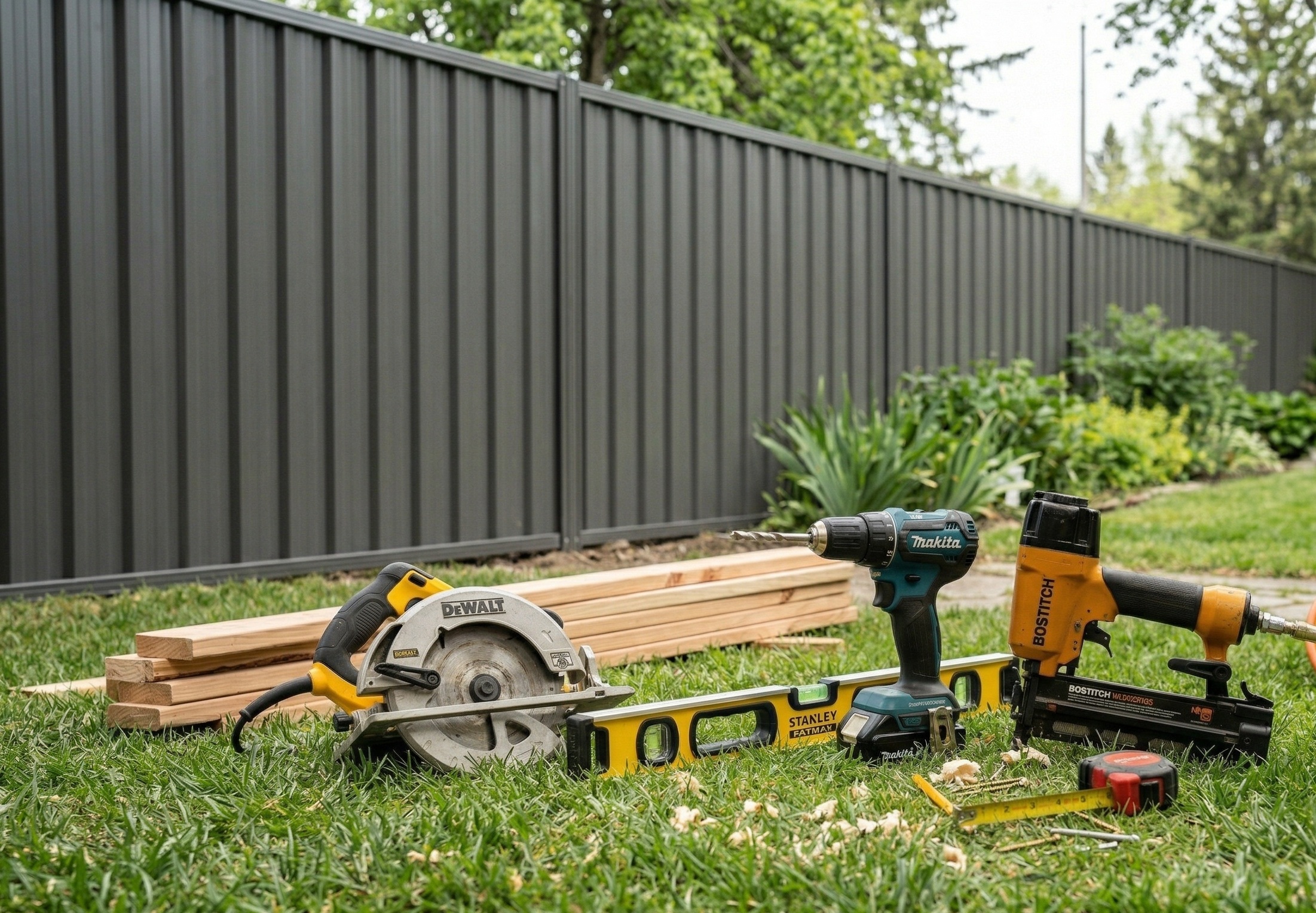
If the staff demands help moving something or changing access, treat it as part of the procedure. The faster they can gauge and function, the faster you specify where the fencing enters into your life as opposed to a short-term construction zone.
A fence is not just a boundary. It shapes just how you experience your backyard. When you prepare attentively, you invest less time troubleshooting, and more time enjoying what the fencing in fact provides for your home.
If you are comparing quotes or selecting a best fencing company, bear in mind of just how they discuss your website. The firms that ask good questions, describe practical constraints, and plan for real yard conditions are generally the ones who can supply the kind of installation that holds up. Your yard preparation aids them do it right, and it helps you obtain the fencing you pictured, developed the way your building really requires.